

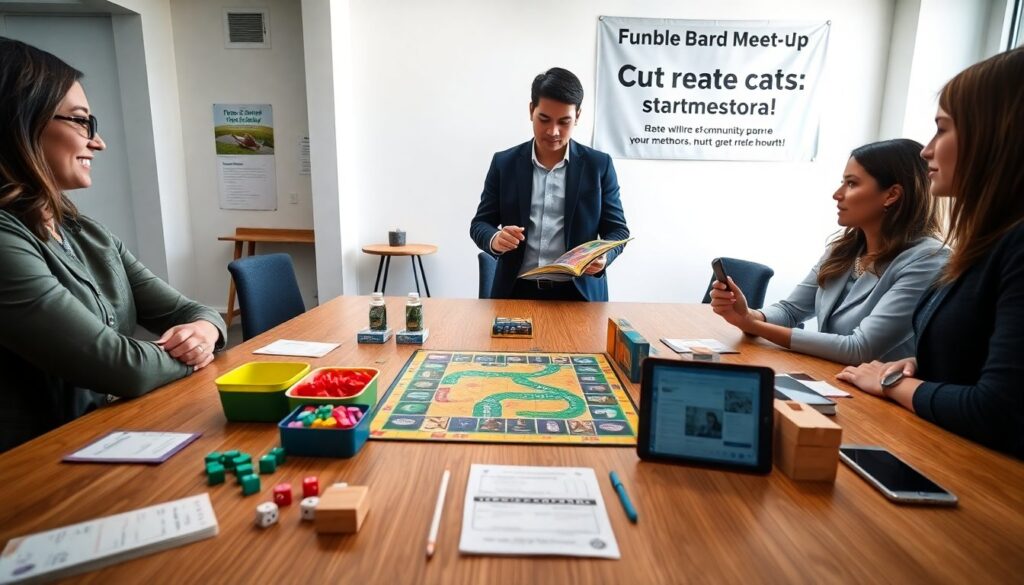
To get start fumbleboard the reader must choose a board, learn basic rules, and set up gear. This guide explains each step in clear order. It shows what gear to buy, how to arrange pieces, and how to run a first session. It also shows ways to grow a local group and keep players coming back.
Key Takeaways
- To start fumbleboard, gather essential gear including a board, tokens, dice, timer, score pads, and the rulebook, and set them up step-by-step to ensure smooth play.
- FumbleBoard offers quick, strategic matches ideal for casual meetups and small tournaments, making it accessible and engaging for new players.
- Hosts should run a practice round to familiarize players with basic rules and scoring, preventing confusion and speeding up future sessions.
- Keep scoring simple and explain penalties clearly during the first session to maintain a fun and fair game environment.
- To grow your fumbleboard community, organize regular meet-ups, share results and photos online, and encourage feedback to improve each session.
- Maintaining a welcoming atmosphere and consistent scheduling helps retain players and attracts newcomers to the game.
What Is FumbleBoard And Why Play It?
FumbleBoard is a tabletop strategy game that mixes dice, tokens, and quick decision play. It asks players to react fast and plan ahead. New players prefer it because it offers short matches and clear scoring. Organizers like it because it fits casual meetups and small tournaments. To start fumbleboard, a person only needs a basic set and a simple rules sheet. The game rewards pattern recognition, timing, and risk choices. It also creates social moments because players trade tips and jokes between turns. Events in 2026 still favor games that are easy to teach and fast to finish. FumbleBoard meets both needs.
Essential Gear And Step-By-Step Setup
A player needs a board, token set, dice, a timer, score pads, and a rulebook. A basic kit costs vary, but affordable kits start under fifty dollars. To start fumbleboard, one should check each item before play. Step 1: Unfold the board and place it on a flat table. Step 2: Sort tokens by color and place them in small bowls. Step 3: Put dice and the timer within reach. Step 4: Give each player a score pad and a pencil. Step 5: Set the rulebook open to quick-start rules. The host should test a mock turn to confirm gear works. If a die sticks or a token chips, replace that item before the first match. They should label spare pieces and keep replacements in a small box. This small preparation speeds play and reduces disputes.
How To Play, Run Your First Session, And Grow Your Community
Basic Rules, Turns, And Scoring
A turn starts when a player rolls dice and moves tokens. A player scores when they complete a set or control a zone. Players alternate turns until the round limit ends. A match uses three rounds in most casual play. The rulebook lists scoring details and tie-breakers. To start fumbleboard, new players should follow the quick-start rules for the first two matches. The host should read each scoring rule aloud at the table. If players dispute a rule, they should consult the rulebook and vote. Keep scoring simple for the first session. The host should explain penalties and illegal moves before play.
First-Session Checklist, Common Pitfalls, And Next Steps
The host should arrive early and set up gear. They should print a one-page quick rules sheet. The host should assign seats and explain turn order clearly. A common pitfall is rushing rules in the first five minutes. Rushing causes confusion and slows down play later. Another pitfall is skipping a test turn. Skipping tests leads to avoidable mistakes. To start fumbleboard successfully, the host should run one practice round with new players. The host should watch for slow decision-making and offer tips. After the first match, the host should ask players for one improvement idea. This feedback helps refine the session. For growth, the host should invite players to a second meet-up within two weeks. They should post photos and match results to a local group or social feed. They should share the quick rules and a signup link. Small prizes or rotating hosts help keep interest high. A clear schedule and short matches make it easier for newcomers to join. FumbleBoard clubs grow when players feel welcome and when each session runs on time.