

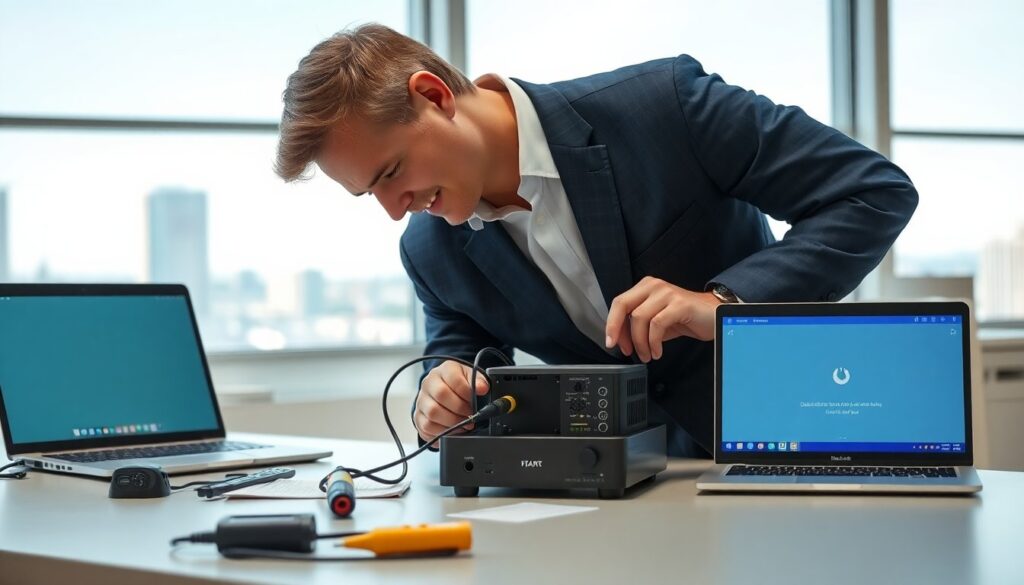
The guide shows how to make a successful fumbleboard start on a device. It lists checks, power steps, and basic setup. It gives clear, short actions. It avoids vague language and focuses on what the user must do first.
Key Takeaways
- Perform a thorough quick start checklist before powering on to ensure the fumbleboard start on your device is successful.
- Follow the step-by-step power on process carefully, including connecting the correct adapter and monitoring LED indicators.
- If startup fails, troubleshoot by checking power sources, cables, peripherals, and noting any LED error codes.
- Complete initial configuration by selecting language, setting preferences, and running sensor calibration after fumbleboard start on the device.
- Connect to Wi-Fi or Bluetooth through network settings and pairing modes to enable full device functionality.
- Maintain device safety by avoiding liquids, using proper adapters, keeping vents clear, and applying manufacturer updates regularly.
Quick Start Checklist Before You Power On
Before attempting a fumbleboard start on a unit, the user should confirm five items. First, the user should place the device on a flat, stable surface. Second, the user should verify the battery or power adapter is present and rated for the device. Third, the user should inspect ports and cables for visible damage. Fourth, the user should remove travel locks or shipping tape. Fifth, the user should read the quick start label on the device. If any item fails inspection, the user should correct the issue before power.
Powering On Fumbleboard: Step‑By‑Step Walkthrough
To perform a fumbleboard start on power, the user follows these ordered steps. Step 1: connect the supplied power adapter to the device and to a known working outlet. Step 2: ensure the power switch sits in the off position before plugging in. Step 3: plug in the adapter and then move the switch to the on position. Step 4: watch the LED indicators and listen for a startup beep. Step 5: wait two to three minutes for initial boot processes to finish. If the device does not show signs of life, the user returns to the checklist and inspects connections and the adapter.
Troubleshooting Power Issues And Common Startup Errors
If a fumbleboard start on a device fails, the user performs quick checks. The user confirms the outlet works by testing another device. The user checks the adapter for correct voltage. The user swaps the cable if a spare exists. The user removes any attached peripherals to rule out load faults. If the LED blinks in a pattern, the user notes the pattern and consults the manual for the error code. If the device still will not power on, the user reboots after a five minute wait and tries again.
Initial Configuration And Basic Calibration After Start Up
After a successful fumbleboard start on the device, the user proceeds to initial setup. The device prompts for language and region: the user selects the correct options. The user creates or signs into an account if required. The user sets basic preferences such as time and date. The user runs the built-in calibration routine for any sensors or input surfaces. The user follows on-screen directions and taps confirm when calibration completes. Calibration usually takes one to three minutes.
Connecting Fumbleboard To Wi‑Fi Or Bluetooth (If Applicable)
To connect after a fumbleboard start on the device, the user opens network settings. The user selects the network name and enters the correct password. The user verifies the signal strength and confirms an internet connection. For Bluetooth, the user enables Bluetooth and places the accessory in pairing mode. The user selects the accessory name and accepts any pairing prompts. The user confirms a successful pairing by checking the connected status. If pairing fails, the user moves devices closer and retries.
Safety Tips, Maintenance, And Best Practices For First Use
After completing a fumbleboard start on a device, the user follows safety steps. The user avoids liquid exposure and keeps the device dry. The user uses the supplied adapter and avoids adapters with incorrect ratings. The user ventilates the device and keeps vents clear. The user performs a short maintenance check every month, inspecting cables and cleaning dust with a dry cloth. The user applies manufacturer updates when available to keep firmware current. The user stores the original packaging for transport or warranty claims.
When To Contact Support, Warranty Notes, And What To Prepare
If a fumbleboard start on the device still fails, the user should contact support. The user prepares the serial number, purchase date, and a description of the failure. The user records LED patterns and any error messages. The user captures photos or short video that show the issue. The user checks warranty terms in the documentation to confirm coverage. If the device is under warranty, the user follows the authorized service instructions. If the warranty has expired, the user asks support for repair options or replacement parts.