

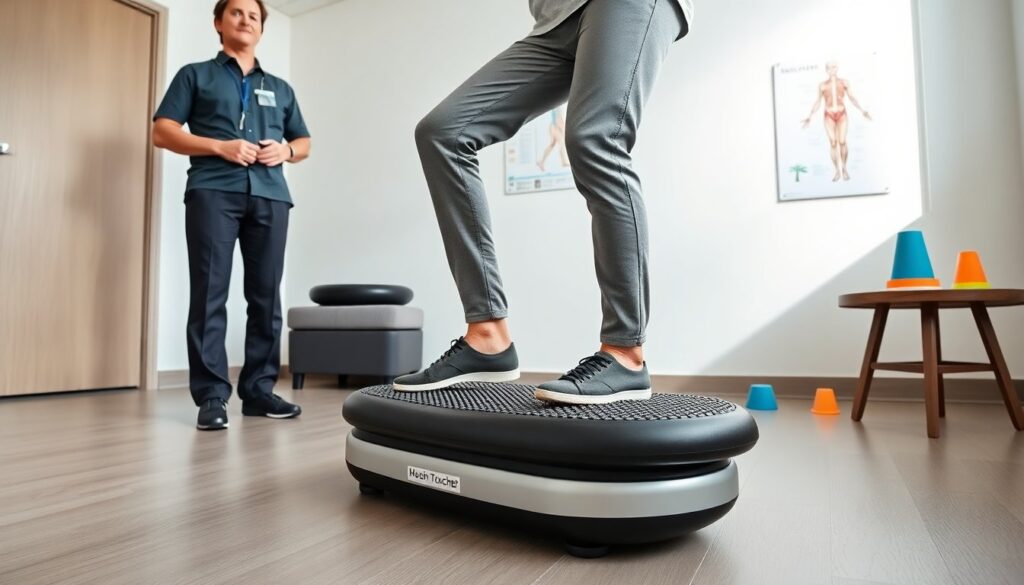
The in touch with fumbleboard helps people train balance and touch sensitivity. It offers a low-impact way to improve coordination and reflexes. Clinicians use it in clinics and homes. The device targets small muscles and sensory feedback. This guide explains what the in touch fumbleboard does, who benefits, how to use it safely, and how to buy and care for one.
Key Takeaways
- The in touch fumbleboard enhances balance, proprioception, and touch sensitivity through controlled micro-movements and textured surfaces.
- It is widely used by clinicians for rehabilitation after injuries, surgeries, strokes, and for fall prevention among older adults.
- Safe use involves starting seated, progressing to standing, and incorporating dynamic tasks while monitoring for pain or dizziness.
- The board comes in various firmness levels, allowing users to customize difficulty and progress with replaceable textured inserts.
- Regular maintenance includes cleaning after use, inspecting textures for wear, and storing the board properly to ensure longevity.
- When purchasing, select models with stable bases, clear firmness options, and clinician support materials to maximize therapeutic benefits.
What The InTouch FumbleBoard Is And How It Works
The in touch fumbleboard is a small, rounded board with uneven surfaces and removable textures. It sits on a flat base and allows micro‑movements under the foot or hand. The board sends sensory signals to the brain when the user shifts weight. Therapists use those signals to retrain balance patterns after injury or illness. The device works by increasing sensory input and forcing small corrective actions. Users place the board on a stable floor. They stand or place a hand on the board to feel the textures. The in touch fumbleboard comes in several firmness levels. Each level alters the range of movement and the intensity of feedback. The design keeps the movement controlled so the user does not lose balance suddenly. The simplicity helps therapists add the device to standard balance and proprioception programs.
Key Benefits And Therapeutic Uses
The in touch fumbleboard improves balance, proprioception, and tactile sensitivity. Clinics use it after ankle sprains, knee surgery, stroke, and vestibular disorders. It strengthens small stabilizer muscles around joints. It also sharpens reaction time and posture control. The device gives measurable progress that therapists can track with simple tests. Users report faster confidence when they return to walking or sports. The board works well for older adults who need fall prevention training. It also suits athletes who want finer foot control for agility. The device adapts to different skill levels by changing textures or stance width.
Who Should Use It And When To Avoid It
Therapists recommend the in touch fumbleboard for people with mild to moderate balance deficits. Clinicians prescribe it for post‑operative rehab when weight bearing is allowed. Older adults with a history of falls benefit from regular sessions. Athletes use it to refine balance under load. People should avoid the device after acute fractures, severe vertigo, uncontrolled seizures, or when they cannot stand safely. Pregnant people should consult a clinician before use. People with open wounds on the foot or infection should not place the foot on the board. A clinician should clear use after major surgery or serious neurologic events.
How To Use The FumbleBoard Safely — Step‑By‑Step
Place the in touch fumbleboard on a non‑slip floor. The user should wear stable shoes or go barefoot, per therapist advice. The therapist should stand nearby for initial sessions.
Step 1: Start seated. The user places one foot on the board while the other foot stays on the floor. The user shifts weight slowly to feel the textures. The therapist observes posture and foot placement.
Step 2: Progress to standing with both feet on the board. The user keeps knees soft and eyes forward. The therapist times 30‑ to 60‑second trials and records subjective effort.
Step 3: Add movement. The user performs small weight shifts, single‑leg stands, or slow reaches with the arms. The therapist increases challenge by changing surface or adding light cognitive tasks.
Step 4: Move to dynamic tasks. The user incorporates step drills or sport‑specific moves once balance improves. The therapist monitors fatigue and stops if dizziness or pain occurs.
Safety tips: Use a gait belt when needed. Keep a stable support within reach. Limit each session to short, focused trials. Rest between trials. Stop use if pain, severe dizziness, or sharp joint symptoms appear.
Buying, Care, And Practical Alternatives
Buy the in touch fumbleboard from medical suppliers or reputable online retailers. Look for boards with clear firmness levels and replaceable surfaces. Check return policies and warranty terms. Compare weight limits and base stability. Ask the seller about clinician guides or exercise cards.
Care is simple. Clean the board with mild soap and water after use. Dry it fully before storage. Inspect surfaces for wear and replace textured pads when they lose grip. Store the board flat in a cool, dry place.
Practical alternatives include balance pads, wobble boards, and foam rollers. Balance pads give softer, less targeted feedback. Wobble boards provide larger ranges of motion for more challenge. Foam rollers help sensory input for the foot but they lack textured feedback. People may combine devices for a full program. Clinicians choose tools that meet the user’s goals and safety needs.
Cost and access: The in touch fumbleboard often costs less than high‑end balance systems. Clinics can buy multiple boards for group classes. Home users should choose a model that matches clinical recommendations and weight limits.
Replacement parts and upgrades: Some models offer extra textured inserts. Users can buy firmer inserts as they progress. Check that inserts lock securely to avoid slips during use.