

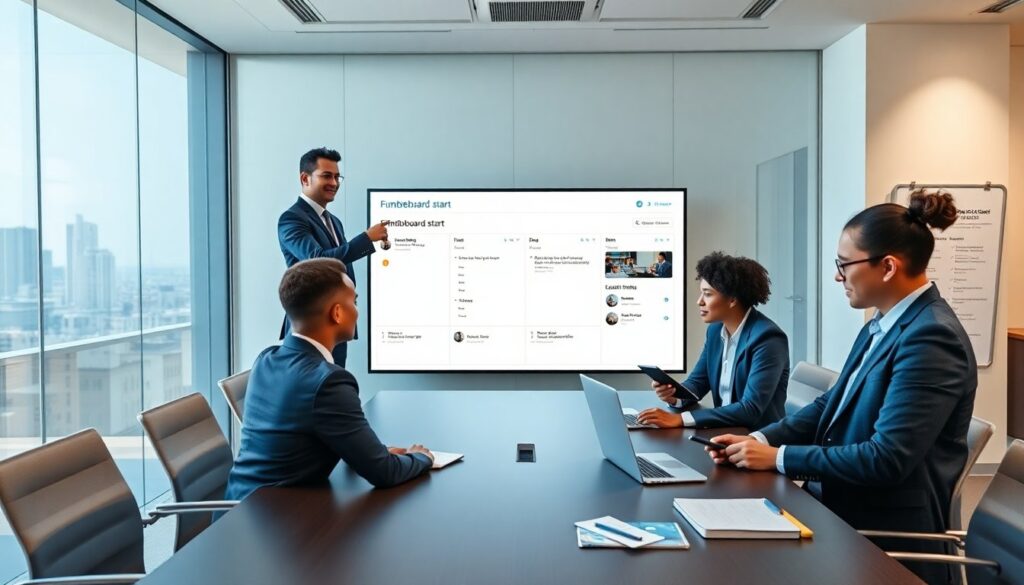
www fumbleboard com start guides help teams begin fast. This article explains what a fumbleboard start is, who should pick it, and how to set one up. It shows steps for account, workspace, and permissions. It shows how to build a first board and how to collaborate. It lists common issues and next actions. The guide uses clear steps and simple language.
Key Takeaways
- A fumbleboard start accelerates team collaboration by enabling quick board creation for tracking work and capturing ideas.
- Setting up a fumbleboard involves creating an account, workspace, assigning roles, and taking about ten minutes to prepare for effective project management.
- Choosing and customizing templates helps teams align boards with specific goals like sprints or retrospectives while maintaining focus by limiting early template changes.
- Adding, arranging, and linking cards with owners, priorities, and automation ensures clear task management and daily review keeps the board up to date.
- Clear roles and communication workflows, including owners, editors, and commenters, enhance productivity and reduce blockers during a fumbleboard start.
- Troubleshooting common issues like slow adoption involves clarifying roles, simplifying boards, regular updates, and testing integrations to ensure smooth progress.
What Is Fumbleboard And Who Should Start It
Fumbleboard start defines a quick board creation process. It lets teams capture ideas, track work, and test flows. Product teams use a fumbleboard start to plan sprints and experiments. Designers use a fumbleboard start to collect feedback and versions. Managers use a fumbleboard start to align priorities and owners. Small teams use a fumbleboard start to keep work visible. Large teams use a fumbleboard start to prototype cross-team processes. Anyone who wants simple visual tracking can use a fumbleboard start.
Quick Setup: Account, Workspace, And Permissions
A user signs up to begin a fumbleboard start. The user confirms email and chooses a plan. The user creates a workspace for a project or team. The user names the workspace and sets a default language. An admin invites members by email to the workspace. The admin assigns roles: owner, editor, commenter, or viewer. The admin sets permissions for boards, exports, and sharing. The team uses single sign-on if the company needs it. The setup takes about ten minutes for a basic fumbleboard start.
Build Your First Board
A team starts a new board after workspace setup for a fumbleboard start. The team picks a goal for the board. The team chooses a template or begins blank. The team adds columns, labels, and owners. The team sets deadlines and tags. The team adds the first cards and links. The team uses colors for priority and status. The team invites reviewers to the board. The team runs one short session to confirm the board works for the intended flow.
Choose Templates And Layouts
A person opens the template gallery during a fumbleboard start. The gallery shows templates for sprints, retros, and roadmaps. The person previews a template and reads a short description. The person selects a layout with matching columns and fields. The person adjusts column names and card fields to match team terms. The person saves the layout as a custom template if the team will reuse it. The team limits template changes in the first two sprints to keep focus.
Add, Arrange, And Connect Elements
A user adds cards to the board for each task in a fumbleboard start. The user assigns each card to an owner and a due date. The user drags cards to reorder by priority. The user links related cards with a connector tool. The user attaches files and adds comments to cards. The user adds checklists to break work into steps. The user sets automation rules to move cards on triggers. The team reviews the board daily for small adjustments.
Collaborating Effectively: Roles, Communication, And Workflow
A clear role map helps during a fumbleboard start. A manager names an owner for each board. Owners keep the board current and resolve blockers. Editors update cards and create new lists. Commenters add feedback without changing layout. Team members use brief status updates in comments. The team uses @mentions for quick notifications. The team sets a cadence for standups and reviews. The team records decisions in a board log to avoid repeated debates.
Troubleshooting, Common Pitfalls, And Next Steps
A team may face slow adoption after a fumbleboard start. Leaders check if roles and expectations lack clarity. Leaders simplify the board if it looks crowded. The team limits fields and tags to essentials. Users often forget to update card status: owners remind them during standups. Permission errors block some users: admins verify role assignments. Integrations sometimes fail: teams reconnect tools and test a sync. For the next step, the team sets one measurable goal and runs two short cycles to learn fast.