

fumble-boards.com offers clear guidance on balance boards for fitness and rehab. The site lists models, specs, and uses. It helps buyers compare options. Readers will learn how to pick a board, how to use it safely, and how to care for it.
Key Takeaways
- Fumble boards enhance balance, core stability, and proprioception, benefiting athletes, rehab patients, seniors, and office workers alike.
- Choosing the right fumble board involves considering size, material, stability, and weight capacity to match your fitness or rehab goals.
- Perform simple tests like weight shifts and wobble checks to ensure board quality and safety before purchase.
- Utilize accessories such as mats, grip tape, and handles to improve safety and prolong board usability.
- Follow progressive exercises from beginner to advanced levels, always prioritizing safety and proper form as recommended on fumble-boards.com.
- Start using a fumble board on a stable surface with support and consult a clinician after injuries to maximize benefits safely.
What Are Fumble Boards And Who Benefits From Them?
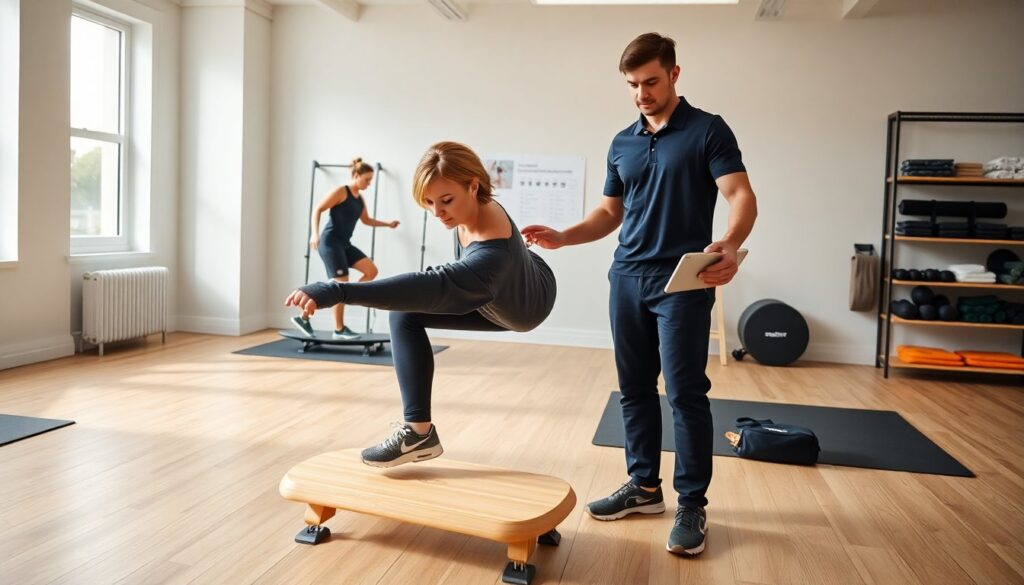
fumble-boards.com defines a fumble board as a simple balance board with a deck and a fulcrum. The deck sits above a curved or cylindrical base. The board forces the user to steady their weight and adjust posture. Athletes use fumble boards to improve balance and ankle strength. Physical therapists use fumble boards to help patients recover from sprains and knee issues. Office workers use fumble boards to add low-impact movement to their day. Seniors use fumble boards to train reaction time and reduce fall risk. Trainers use fumble boards to add variety to warm-ups and core work. The site lists beginner, intermediate, and advanced boards. It also lists boards for kids and for light rehab. Readers learn which body systems a fumble board trains: proprioception, core stability, and small stabilizer muscles. The page on fumble-boards.com shows photos and short demos. Users can match a board to a goal in minutes. The site warns new users to start on a stable surface and to use support until they gain confidence.
How To Choose The Right Fumble Board: Size, Material, And Stability
fumble-boards.com lists three key choices: size, material, and stability. Shoppers should pick size by height and shoe size. A larger deck gives more room for stance changes. A smaller deck increases challenge and travel. Buyers should check maximum weight capacity. fumble-boards.com displays weight limits clearly. Material affects grip and feel. Wooden decks feel firm and give clear feedback. Plastic decks resist moisture and weigh less. Composite decks balance weight and durability. The fulcrum material changes the tilt pattern. A wooden roller gives smooth, continuous tilt. A molded plastic rocker gives predictable edges and stops. Metal cylinders give firm, precise roll. Users should match fulcrum type to training goals: smooth roll for dynamic balance, defined stops for ankle rehab. Stability comes from deck shape and fulcrum width. A flat-bottom fulcrum gives more stability. A narrow cylinder gives less stability. fumble-boards.com tags each product with a stability rating. Buyers should read customer notes for real-world feel. The site also lists return policies and warranty terms to reduce risk. They recommend trying a board in a club or studio if possible. If testing is not possible, buyers should choose a board with a clear return window and sturdy warranty.
Materials, Size Tests, And Accessories To Check Before You Buy
fumble-boards.com shows simple tests to run in the listing. Test one: stand on the empty deck and shift weight forward and back. Test two: stand on one foot and check wobble. Test three: place the fulcrum under the deck and press each edge to note roll. The site lists materials to check. Look for non-slip top layers and sealed wood or UV-resistant plastic. Check fastenings for corrosion resistance. Read the weight and temperature specs. fumble-boards.com highlights key accessories. A mat prevents slipping and protects floors. Grip tape improves traction. Handles and straps help beginners hold balance. Replacement fulcrums extend board life. A travel bag makes transport easy. The site links to bundled packages for new users. They also list assembly steps and simple tools needed. Buyers should confirm included accessories before purchase.
Beginner-To-Advanced Exercises, Progressions, And Safety Tips
fumble-boards.com lists progressions for any skill level. Beginners start with double-leg stands. They hold a chair or wall until steady. Next they try soft knee bends and short holds. Intermediate users add single-leg stands and slow weight shifts. They add light squats and toe taps. Advanced users add dynamic moves. They add lateral hops, quick step changes, and slow rotations. Each move targets balance, ankle control, and core stability. The site shows reps, sets, and rest guidance. For example, beginners may do 3 sets of 20 to 40 seconds. Intermediates may do 4 sets of 30 to 60 seconds. Advanced users may do timed circuits or integrate boards into sport drills. fumble-boards.com stresses safety. Users should check the floor for debris and use a non-slip mat. They should practice near a stable support for the first sessions. They should wear flat, grippy shoes or go barefoot if the deck allows. They should stop if they feel sharp pain or dizziness. The site suggests consulting a clinician after recent surgery or major injury. fumble-boards.com also lists common mistakes to avoid. Users should avoid locking the knees, leaning forward, or holding breath. They should focus on small controlled motions. The site offers short video clips to show proper form. Trainers can adapt moves to sport needs and to rehab limits. The site lists timelines for progression and signs a user can increase challenge, such as steady single-leg balance for 30 seconds without support.