
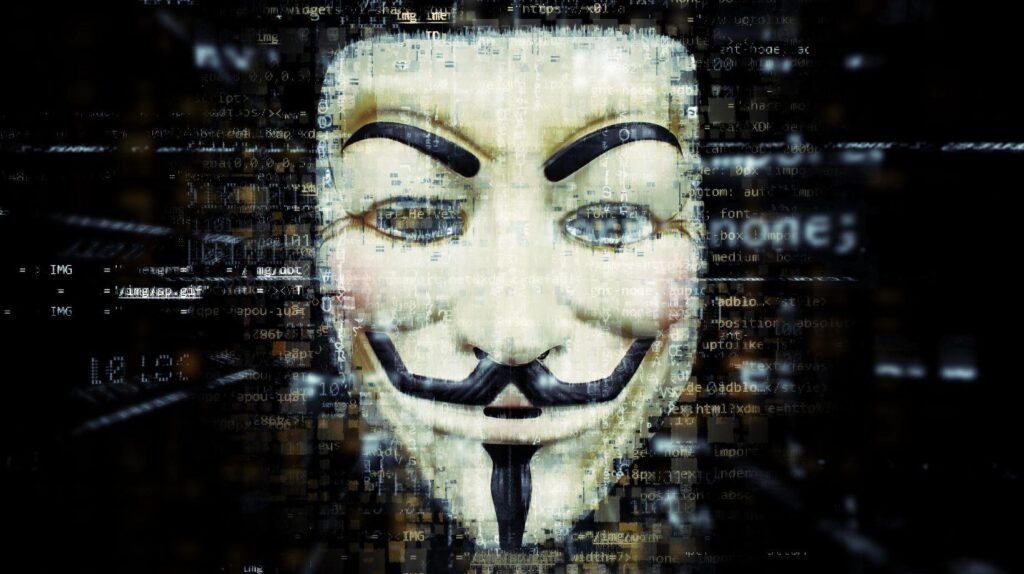
Everyone's supposed to be "authentic" online now — real name, real face, real opinions tied to a profile that follows you everywhere. And yet a huge chunk of internet users keep looking for the opposite: a place to say something without it being permanently stapled to their identity. That tension isn't new, and it isn't going away.
The Anonymous Web Isn't Dead, It Just Moved
Platforms built around stripped-down, no-profile posting exist precisely because the "post as your real self" model got exhausting for a lot of people. Fumbleboard's anonymous posting model is a good example of this shift — no usernames, no follower counts, no algorithm deciding what gets seen. Just short, unfiltered thoughts dropped into a shared stream. It's less "social network" and more digital cork board, and that's the appeal.
What Gets Left Behind When You Drop the Profile
Remove the profile and you remove a lot of the performance that comes with it. People write differently when they know a post won't be traced back to them — sometimes more honestly, sometimes more recklessly. Both are part of the same trade-off.
What the Research Actually Shows
This isn't just a niche preference. A widely cited Pew Research Center study on anonymity and privacy online found that the large majority of internet users had already taken deliberate steps to mask or remove their digital footprint, and most didn't believe true anonymity online was even achievable anymore. The numbers are older now, but the underlying instinct they captured — wanting more control over who sees what — hasn't gone anywhere; if anything, it's grown alongside data breaches and ad-tracking fatigue.
Why People Bother Masking Their Footprint
The reasons are pretty practical: avoiding being tracked by advertisers, keeping a boss or family member from finding an old post, or just not wanting every opinion catalogued forever. It's rarely about hiding something shady — it's about not wanting a permanent record.
Anonymity Shows Up in Entertainment Too
The same instinct shows up outside social posting. Crypto gambling sites have leaned hard into this, marketing themselves on how little personal information they ask for. A casino cryptomonnaie is a typical example: deposits and play happen through crypto wallets rather than ID documents or bank details, which is exactly the pitch that draws in users who'd rather not hand over paperwork to play.
The Trade-Off Worth Knowing About
Skipping identity verification isn't all upside—platforms that ask less of you tend to shift more of the responsibility onto you to check the fine print, such as terms and conditions, withdrawal policies, and licensing details. Many of these platforms are trustworthy, but some may not be. Before you deposit, it's important to take responsibility and verify the basics yourself.
Frequently Asked Questions
Is it actually possible to be fully anonymous online?
Not really, no. Even "anonymous" platforms typically log some technical data (IP addresses, timestamps), and most security researchers agree full anonymity is more of a spectrum than an absolute.
Why do anonymous posting platforms feel different from regular social media?
Without a profile or follower count attached, there's no performance incentive. Posts tend to read more like passing thoughts than curated content.
Why do crypto casinos skip ID verification?
It's largely a product decision aimed at users who want speed and privacy over the slower, document-heavy onboarding of traditional licensed operators.
Are no-verification platforms automatically riskier?
Not automatically, but they usually come with fewer built-in safeguards, so it's on the user to check licensing, read withdrawal terms, and set their own limits.
Is wanting online anonymity the same as wanting to hide something?
No — most people who mask their digital footprint are just trying to reduce tracking and avoid having every opinion permanently attached to their name, not concealing wrongdoing.
Bottom Line
The appetite for anonymity online hasn't faded just because social media pushed everyone toward "real" profiles — it's just redirected itself into platforms, both social and otherwise, that are built around asking less of their users. Whether that's a stripped-down posting board or a no-ID way to spend money online, the underlying want is the same: less tracked, less tied to a permanent identity.