

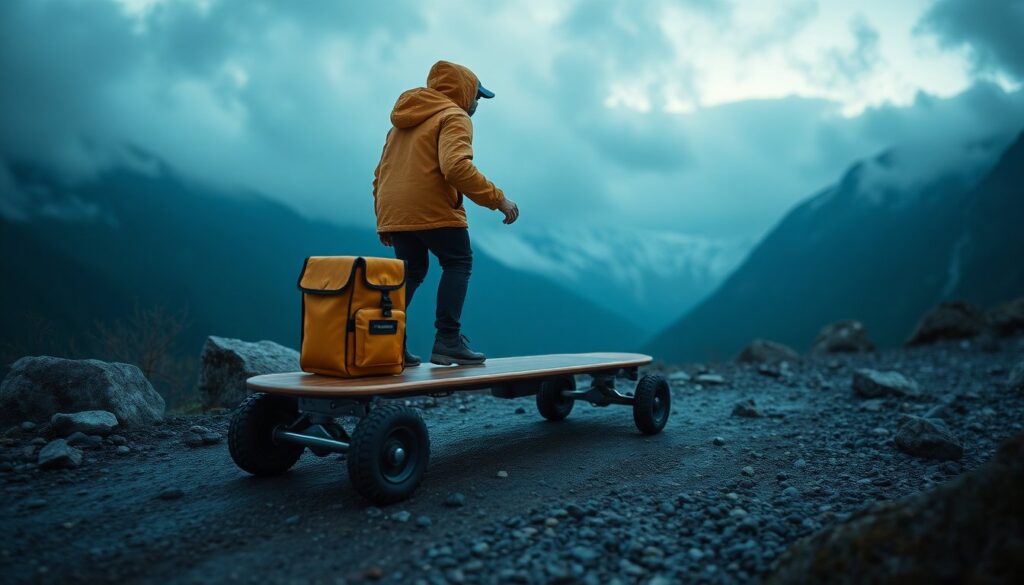
Fumbleboard travel and adventure lets people move through wild places on a compact, modular board. The board packs small. It converts quickly for hiking, river crossing, and beach travel. It reduces load and adds flexibility. This guide explains why the approach works, how to pick activities, and how to plan trips safely.
Key Takeaways
- Fumbleboard travel and adventure offers a lightweight, modular board that transitions quickly between hiking, paddling, and camping tasks, ideal for mixed terrain trips.
- This method excels on calm waters and firm sand, making it perfect for coastal scrambles, lake hops, and river crossings, but is unsuitable for large surf or whitewater.
- Choosing the right fumbleboard setup depends on trip length and remoteness, balancing speed and safety with essential gear like spare parts and waterproof storage for backcountry journeys.
- Skills development from basic balance and paddling to advanced rescue techniques enhances safety and enjoyment in fumbleboard travel and adventure.
- Proper packing and maintenance, including modular storage and regular equipment checks, ensure reliable performance and reduce the risk of failures during remote expeditions.
- Trip planning should prioritize matching routes to board capabilities, weather conditions, and Leave-No-Trace principles to minimize environmental impact and maintain safety.
What Is Fumbleboard Travel And Why It Works For Adventurers
Fumbleboard travel and adventure refers to using a small, modular board as a core travel tool. It functions as a hiking platform, short-paddle craft, and gear table. The parts lock together and store inside a pack. The design saves weight and reduces bulk. Adventurers who use the board report faster transitions between terrain types. They switch from walking to short paddling without unpacking a large kayak. The board suits people who value speed, low weight, and simple gear. It also fits trips with mixed water and land segments where carrying a full boat would slow progress.
Best Activities, Terrain, And Use Cases
Fumbleboard travel and adventure works well for coastal scrambles, lake hops, and river shuttles. It serves for beach camping, short river crossings, and alpine lakes. The board handles calm water and firm sand best. It does not suit large surf or whitewater. People use it for minimalist bikepacking combined with a quick paddle. Fishermen use the board for shore casting and light trolling. It also supports basecamp tasks like cooking platforms and gear benches. The main rule is to match board type to expected water and ground conditions before a trip.
Day Trips Vs Backcountry: Choosing The Right Setup
For day trips, users choose the lightest, fastest assembly. They bring minimal safety kit and a small pump. The board stays in reach for quick water crossings. For backcountry trips, users add spare parts, stronger fasteners, and repair tape. They carry a foldable paddle and a small sail or leash if needed. The backcountry setup includes waterproof storage and a tarp. Users balance weight and redundancy based on remoteness. They test the full setup at home before leaving.
Skills, Training, And Progression For Safe Fun
Beginners learn basic balance and low-angle paddling on calm water. They practice assembly and disassembly on dry land. They learn to pack the board with equal weight on both sides. Intermediate users learn edging and controlled re-entry techniques. Advanced users practice light rescue and towing. Everyone trains in self-rescue and basic first aid. Local classes and guided outings speed learning. They progress from short, low-risk trips to longer mixed-terrain routes as skill and confidence increase.
Packing, Setup, And Lightweight Maintenance For Trips
Users pack the board in modular bags and clip them inside a single pack. They place heavy items low and over the board center. Quick-access pockets hold pump, leash, and repair kit. Setup takes five to ten minutes for most people. They lay boards flat, align locks, and clamp the seams. For maintenance, users rinse salt and grit after each trip. They inspect seals and replace worn fasteners. A small toolkit with spare bolts and duct tape handles most fixes. Regular checks prevent failures in remote areas.
Planning Routes, Safety Protocols, And Leave-No-Trace Principles
Trip planners match route choices to board limits and skill level. They check tide, wind, and weather forecasts. They file a plan with a trusted contact and carry a communication device. Safety gear includes a personal flotation device, whistle, and a signaling mirror. They practice self-rescue before remote trips. For minimal impact, users pack out all trash and leave campsites cleaner than they found them. They avoid fragile shore plants and choose durable surfaces for board storage and camp setup. They respect closures and local rules.
Top Trip Ideas And Destinations Suited To Fumbleboard Travel
Good starters include small island hops on sheltered coasts, low-traffic lakes, and estuary loops. Regions with calm bays and short portages work best. Examples include quiet parts of the Puget Sound, the Gulf Islands, inland Scandinavian lakes, and sheltered Mediterranean coves. In each area, users pick short crossings and plan escape routes. They avoid big swells and exposed headlands. Local guidebooks and online trip reports help with seasonal details. They choose sites with easy exit points and clear water conditions for safer travel.