

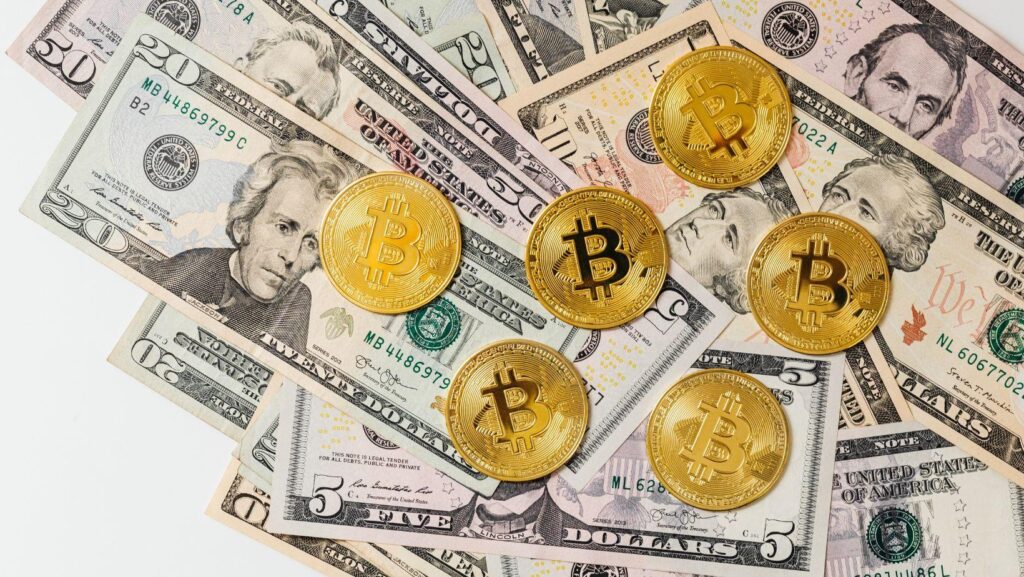
Bitcoin was previously addressed only by techies. Most online casinos offer it as a payment method, and more players are interested in it each month. Quickness appeals to some. Others like more financial control.
Bitcoin is not magical and does not make gaming safer or easier. Its rules and risks are unique. Before sending your first coin to a casino, learn how the system works, what you can win, and what you can lose. Step by step.
How Bitcoin Gambling Works: From Wallet to Casino Balance
Bitcoin purchases come first. Most bitcoin exchange buyers utilize bank transfers or cards. You need storage. This is your wallet. Maybe a phone app, computer program, or little gadget. Your wallet provides your lengthy address of letters and numbers. Consider it a shared account number.
The casino gives you its deposit address when you play. Once copied and pasted into your wallet, select the payment amount and send. Finally, your casino balance shows money. Reverse withdrawal works similarly. You wait for the casino to deposit dollars into your wallet.
The blockchain records all Bitcoin transactions. Even if your identity isn’t revealed, anyone can observe money change addresses. Gamers like cryptocurrencies’ affordability. If you are looking for a $5 minimum deposit casino in Canada, check whether Bitcoin is accepted, because some sites allow small crypto deposits. Just remember that network fees can eat a big part of a tiny payment, so a very small deposit is not always a good deal.

Why Players Choose Bitcoin: Speed, Fees, and Flexibility
The primary reason is speed. Money transfers and bank card withdrawals can take days. Bitcoin money usually arrives within hours of casino approval. It feels fantastic to wait by your phone for a reward.
Fees are another concern. Bitcoin payments are cheaper than bank or credit card payments, especially for bigger amounts. Not all casinos impose bitcoin fees. Before transmitting, check the network charge because system activity may modify it.
Access is another plus. In many nations, banks ban or slow gambling payments. Bitcoin doesn’t use a local bank, therefore it can help trapped gamers. This will be discussed later. This does not allow ignoring local laws.
Lastly, privacy. Players choose Bitcoin because it doesn’t require a card number. You can provide the casino with less payment info. Just be practical. Licensed casinos check IDs, especially when withdrawing. Bitcoin reduces data sharing but seldom eliminates it.
The Price Problem: When Your Balance Moves Without a Single Bet
This surprises many new gamers. Bitcoin fluctuates quickly. Even if you never won or lost a hand, you can deposit a certain amount, play a few quiet sessions, and find that your balance is nearly your regular currency.
Sometimes this feels good. Money feels greater in the morning. Additionally, it can reverse. If you win big and the price declines before you cash out, your profit may decrease. Leaving money at the casino for weeks combines gaming and market risk.
Budgeting becomes harder. Saying “I will spend this much a month” in dollars is simpler. Displaying your balance in tiny coin fractions is hard. Player neglects expenditure. A simple habit may help. Select your maximum currency and verify before depositing. Players can withdraw gains quickly.
Safety Risks: Scams, Lost Keys, and Transactions You Cannot Undo
Credit has an undo, but bitcoin does not. Money delivered to the wrong place is lost. Banks cannot charge non-paying casinos. Be careful.
Fake casinos are unsafe. Some professional sites charge. Others use recognized brand designs for email or social media links. Always type or bookmark the casino address. Do not believe messages promising huge rewards if you respond quickly.
Creating secure passwords and recovery phrases is common. Fake wallets and help chat pages may take your recovery phrase. This text is your wallet’s master key. Disclose it never. Note it and keep it safe. Losing it might be costly.
Protect your wallet, exchange, and casino accounts with strong passwords and two-factor authentication. Send little payments to test the address before sending large ones. Though more expensive, it can avert a major mistake.
Legal and Tax Questions Every Player Should Check
The laws regarding cryptocurrency gaming differ by region. Some regions allow it. Some countries ban it, others are doubtful. Check your local bitcoin online gambling laws before playing. No regulations mean no protection if something goes wrong.
Even Bitcoin users need licenses. A license compels the casino to follow player financing, fair gaming, and complaint requirements. If compensation is disallowed, few options remain. Check license information at the bottom of the page and the regulator’s website.
Taxes are hard. Some countries tax gambling winnings. Not in others. Tax concerns may arise with Bitcoin. The government may tax any coin value rise between purchase and use. Record deposits, withdrawals, and dates. Ask a local tax professional if unsure.
Bottom Line
Bitcoin speeds up and simplifies online gaming, but it has risks that cards don’t. Start with a small cash in a regulated casino to learn. Protect your recovery phrase and wallet. Use currency-specific constraints instead of cents.
Save tax records and study local laws. Bitcoin can help you manage your finances, but it never makes money quickly.