

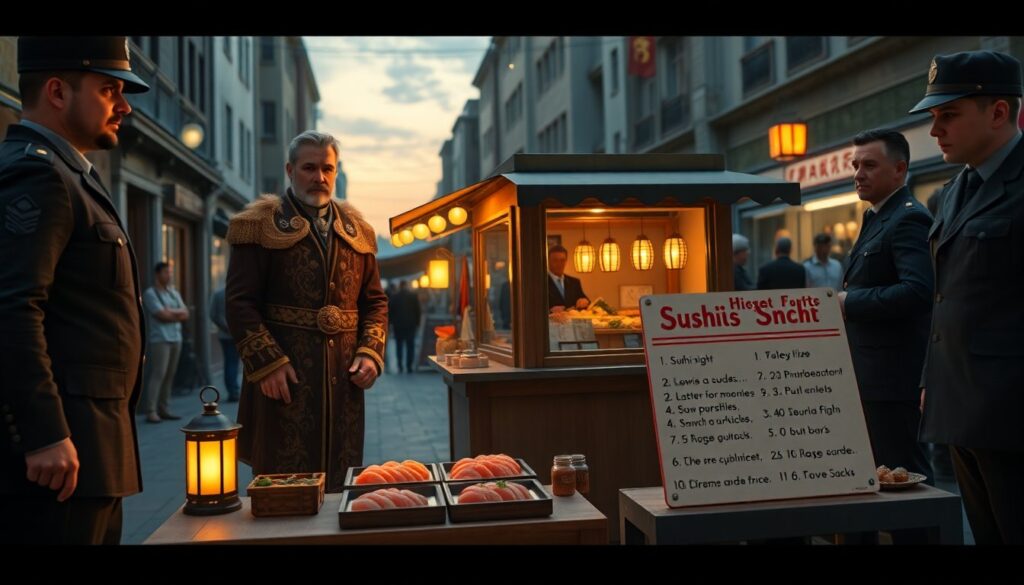
adventure scene fumbleboard king sushi sight starts with a surprising image. The group sees the king stare at a sushi stall. The players react. The GM sets mood, stakes, and a clear goal. The scene must feel alive. The sushi sight must matter. The fumbleboard must matter. This short guide shows how to set tone, use fumbles, and keep players laughing and tense.
Key Takeaways
- Setting the scene with vivid sensory details and clear stakes makes the adventure scene around the king’s sushi sight engaging and dynamic.
- A fumbleboard transforms failed actions into memorable, scene-forward outcomes that blend comedy and tension effectively.
- Design the encounter with clear beats and motivated NPCs to keep players focused and provide meaningful choices.
- Using visually striking cues and a structured sequence helps players anticipate and react to unfolding events naturally.
- Balancing fumbleboard entries between harmless mishaps and impactful moments maintains player investment and creative gameplay.
- GMs should set clear pacing, safety boundaries, and encourage player input to ensure a fun, inclusive experience.
Set The Stage: Atmosphere, Stakes, And The Sushi Sight
The GM places the party in a crowded market. Voices rise. Lanterns glow. Fish carts line the street. The king moves through the crowd and freezes at a sushi stall. The sushi sight draws the king like a magnet. The players learn the stakes: a royal scene, public eyes, and possible chaos. The GM names simple goals: avoid arrest, steal a roll, or distract the king. Clear stakes make the scene tense and fun. The GM describes sensory details in short sentences. The players see, smell, and feel the moment.
What A Fumbleboard Is — And How It Changes Play
A fumbleboard lists messy outcomes for failed rolls. The GM creates numbered entries that map to actions. The players know that a failed check might trigger a funny or serious event. The fumbleboard shifts unpredictability from the GM’s head to the table. The players anticipate odd consequences. The GM can tune entries for tone. The board can favor slapstick, danger, or embarrassment. The result gives shape to failure and makes mistakes worth playing out. The fumbleboard turns failures into scene-forward beats.
Designing The King Sushi Sight Encounter
The GM chooses three simple beats: arrival, reaction, and fallout. The king arrives, the king sees sushi, and the king reacts. The players pick actions that intersect with those beats. The GM places NPCs with clear motives: a vendor who fears insult, guards who protect face, and a courtier who schemes. The setting includes one tight chokepoint for comedy and one escape route for stakes. The GM seeds one secret: the sushi contains a rare spice that affects the king. That secret gives the players reason to act.
Encounter Beats And Visual Cues
The GM lists short visual cues before the scene starts. A tray with bright fish, a trembling vendor, and a dropped fan signal rising stakes. The king’s eyes widen at the sushi, and a hush falls. The beats move in clear order. First beat: the crowd parts. Second beat: the king reaches. Third beat: the fumbleboard triggers. Each cue tells players their next move. The GM repeats cues when needed to keep focus. Simple cues keep the scene cinematic without extra text.
Using Random Fumbles To Heighten Comedy And Tension
The GM uses the fumbleboard to blend laugh and risk. The GM writes entries that escalate. A mild fumble makes someone drop rice. A severe fumble makes a guard slip and reveal a secret. The board includes entries that affect the king directly, like a surprise sneeze or an accidental bow. The players must read the table and adapt. The randomness forces creative play and creates shared moments. The GM balances entries so a fumble can harm or help the party. That balance keeps players invested.
Example Playthrough: From Market Stumble To Royal Chaos
The party walks past a stall. A player tries to charm the vendor and rolls poorly. The GM rolls on the fumbleboard and reads: “Tray flips: fish scatter toward the king.” The king laughs then slips on a piece of seaweed. A guard lunges. The player tries a quick shove and hits another fumble entry: “Hidden spice spreads: king coughs loudly and grabs for a handkerchief.” The crowd gasps. A courtier gaslights a guard, and the party uses the noise to move. The scene shifts from small embarrassment to public spectacle. Each fumble forces new choices and moves the scene forward.
Practical Tips For GMs: Pacing, Safety, And Player Buy-In
The GM keeps sentences short while describing action. The GM gives players clear options and time to act. The GM sets boundaries for humor and risk before play. The GM includes a safety word or gesture. The GM uses fewer than twelve fumbleboard entries for fast scenes. The GM lets players add one entry to the board to increase buy-in. The GM adjusts tempo: slow for drama, quick for chaos. The GM reminds players that the scene aims for fun and memorable images.