

By 7 p.m., an estimated CA$28 delivery order can feel tempting when nobody has planned the evening. A little coordination can turn the same night at home into a shared activity, with clear costs and less last-minute spending.
The trick is to decide what the group is doing before anyone opens a delivery app or heads to the shop. These four ideas use things people often have already, with time and spending estimates to make the plan feel manageable.
Turn a Game Night Into a Set Budget
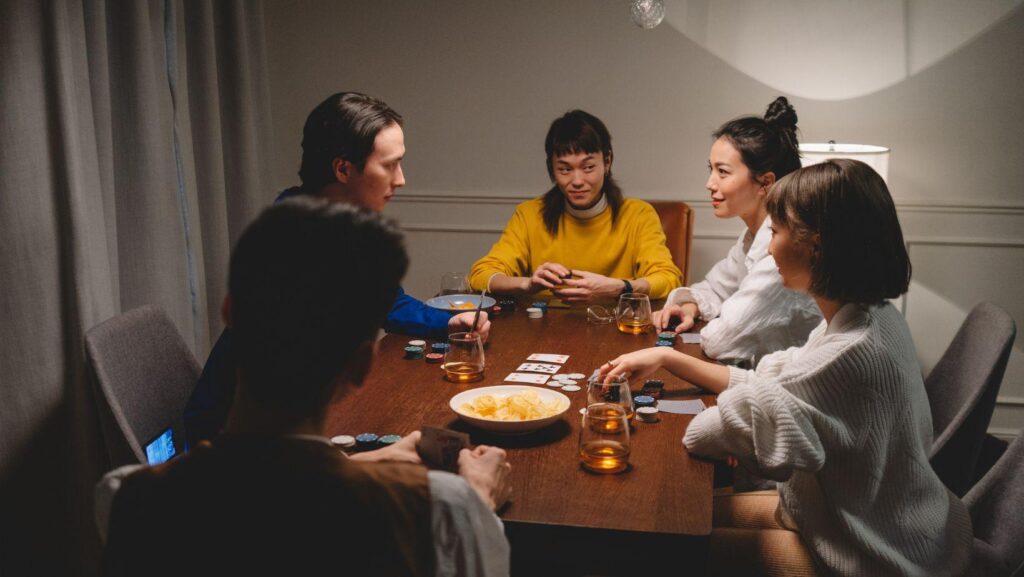
Use a board game, deck of cards or party game someone already owns and pick something with short rounds if guests may arrive at different times. A familiar game gets people started quickly; rules that need a ten-minute explanation can make the first half hour feel like orientation. Keep snacks simple, with an estimated 3–7 per person for basic store-bought options such as popcorn and one drink.
For an adults-only evening, agree on a small per-person entertainment budget before anyone starts. Make the game plan easy to follow: set out the cards, explain the first round and decide when to stop or just pick a Betty Casino as a pre-made option. A bowl of popcorn can last through several rounds, while individually chosen snacks and drinks tend to cost more than the game itself.
Share a Potluck Without Overspending
Make one filling dish the anchor, then let guests add a few simple extras. A big pot of pasta, a loaf of bread or a tray of baked potatoes gives everyone something substantial without asking each person to cook a full meal. The host can set the table while the food heats, rather than spending the evening ferrying dishes between kitchen and living room.
To keep setup quick and avoid an accidental buffet for twelve, divide the basics clearly:
- Make pasta or another filling base dish.
- Bring a salad or a plate of vegetables.
- Add fruit or a simple dessert to share.
Keep the Menu Deliberately Small
Assign categories in the group chat, not individual recipes. One person brings the main, another the salad and someone else brings fruit; that is enough variety for a relaxed meal, and it stops three guests arriving with crisps while the host handles dinner. An estimated 5–12 per person can cover a dish or shared ingredients, depending on what is already in the kitchen and how ambitious the menu gets.
Allow around 15–20 minutes to set out the food. Serving bowls, plates and cutlery from home do the job just fine; a themed table setting is charming, but it is not a prerequisite for eating pasta together.
Skip the Extra Shopping Run
Before making a list, check for oil, salt, napkins and drinks. Those small purchases can quietly add up, especially when someone grabs a separate bottle for every preference. Agree that specialty ingredients are optional, rather than expecting the host to buy them for the whole group.
If the dish needs an ingredient nobody has, choose a simpler recipe or ask the person bringing that dish to supply it. A potluck works best when the cost is shared in practice, not just in theory.
Make a Double Feature Feel Like an Event
Choose two films in advance from a service the group already has, or pick one available through a library or free-to-watch service. Agreeing on the films before everyone settles onto the sofa avoids the familiar scroll through menus that somehow outlasts a short film. There is no need to add a new subscription for one evening.
Set aside around 20 minutes to choose, get comfortable and make snacks. An estimated 2–6 per person can cover popcorn or a small homemade treat, depending on what is in the cupboard. Delivery and individual drinks are common budget leaks: one order can cost more than the snacks for everyone, and separate preferences make it easy to lose track of the total.
Give the night a tiny bit of ceremony without shopping for props. Dim the lights, put phones aside during the film and leave a short break between movies for stretching or refilling mugs. That pause also lets the group decide whether it really wants the second feature.
Host a Mini Tasting With Pantry Staples
Compare three or four teas, chocolates or sparkling drinks in small portions, so a few packages can serve the group. An estimated 4–9 per person can cover several tasting options, depending on the products; use mugs, small plates and scraps of paper for notes instead of buying a tasting kit. The fun is in noticing the differences, not in having expert opinions about them.
Allow around 30 minutes to taste and talk. Pour a little of each drink or break chocolate into small pieces, then compare favourites as you go. If the host wants to reduce the bill, ask each guest to bring one item and keep the portions modest. Three teas from the cupboard can make a perfectly good tasting, even if one is the dependable everyday kind.
Pick the activity that fits the group’s energy, name the budget before anyone shops and let the evening stay simple. A clear plan usually does more for the mood than an extra trip to the store.