

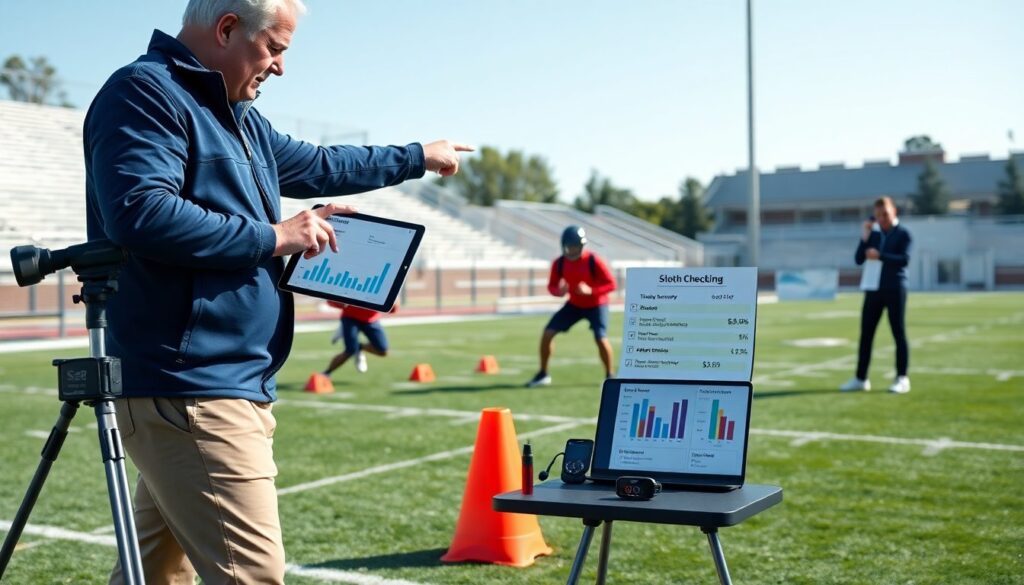
Skill drills sloth checking costs opinions fumblebordr appear unusual. The guide defines fumblebordr clearly. It links skill drills to better results. It explains sloth checking in plain steps. It lists real costs and ways to cut them. It shares expert opinions and drill choices. The reader gains direct actions they can use right away.
Key Takeaways
- Fumblebordr focuses on reducing dropped possessions through targeted skill drills that improve hand control and decision timing.
- Sloth checking drills train players to quickly recover from errors, emphasizing fast reactions and secure ball handling.
- Costs for sloth checking drills vary with equipment and analysis tools, but teams can reduce expenses by using basic gear and efficient training methods.
- Coaches should isolate weak skills into simple drills before combining them, ensuring practice is efficient and outcome-driven.
- Experts recommend short, game-speed drills with pressure elements, regular progress tracking, and adjusting training based on data for best results.
- Selecting the right drills depends on team size, budget, and improvement goals, balancing cost against expected returns in fewer turnovers.
What Fumblebordr Is And Why Targeted Skill Drills Matter
Fumblebordr refers to a specific task set in competitive manual games. Coaches use the term to mark dropped possessions and recovery actions. Players study fumblebordr to reduce errors and to speed reaction. Skill drills improve hand control, foot placement, and decision timing. Teams assign short, repeatable drills to build muscle memory. Repetition builds faster recoveries and fewer turnovers.
Skill drills sloth checking costs opinions fumblebordr appear in training notes and research. Analysts track error rates before and after drill programs. The numbers show clear declines in fumble incidents when coaches follow focused drills. Trainers measure progress with timed drills and with error tallies. They adjust drills when players fail consistent benchmarks. The approach keeps practice efficient and measurable.
Coaches select drills by isolating the weakest step in a sequence. They split complex moves into single actions. Players practice those single actions until they reach speed and accuracy goals. Then coaches recombine the actions into full sequences. This method reduces the time the team spends on irrelevant repetitions. It also directs energy where it will change outcomes.
Sloth Checking Technique: How It Works, Common Mistakes, And Practical Steps
Sloth checking tests a player’s recovery speed after a fumble or mistake. The coach starts the drill with a simulated error. The player reacts, secures the ball, and resumes play. The drill times the reaction and scores the technique. Good sloth checking shortens downtime and protects possession.
Common mistakes include slow hand movement, poor body alignment, and delayed eye focus. Players often reach with weak grip or miss secure positioning. Coaches spot these issues in short video clips and in live reps. They correct them with immediate feedback and with simple corrective drills.
Practical steps for sloth checking involve clear cues and short reps. Step 1: Coach signals a forced error. Step 2: Player closes hands and secures the object. Step 3: Player repositions feet and regains balance. Step 4: Player resumes the play pattern. Coaches repeat the steps at game pace and then raise pace gradually.
Skill drills sloth checking costs opinions fumblebordr inform the practical steps. Teams count seconds and log errors. They compare logs across sessions. They change the drill if errors stall or if progress stops. The goal stays simple: faster securement and steadier returns to play.
Cost Breakdown For Sloth Checking And How To Reduce Expenses
Sloth checking costs vary by scale. A single coach can run drills with existing equipment. A larger program may add sensors, cameras, and paid analysis. The main cost lines include staff time, equipment, and data services. Teams list costs monthly and per season to compare options.
A basic setup uses cones, balls, and a stopwatch. This setup keeps costs low and delivers clear results. Adding a camera raises cost but improves feedback. Adding smart sensors raises cost further but gives precise metrics. Teams estimate a mid-range program at a few thousand dollars per season. High-end programs with full analytics can cost tens of thousands.
Teams reduce expenses by reusing gear, by training volunteer assistants, and by using open-source analytics. They run focused short drills to cut staff hours. They buy mid-grade cameras instead of pro models and pair them with simple software. They share data across teams to lower per-team costs.
Skill drills sloth checking costs opinions fumblebordr appear in budgeting meetings. Staff list expected returns, such as fewer turnovers and better winning percentages. They weigh those returns against the program cost. They pick the mix of gear and services that delivers the best returns for the budget.
Expert Opinions, Recommended Drills, And How To Pick The Right Approach
Experts view fumblebordr as a solvable performance gap. They advise short, targeted drills that focus on the weakest link. Experts recommend simple drills first and measurement next. They prefer drills that run at game speed and that include pressure elements.
Recommended drills include timed recovery reps, partner resistance drills, and blind-reaction drills. Timed recovery reps test speed and security. Partner resistance drills force stronger grips and better body control. Blind-reaction drills sharpen eye-hand timing under surprise conditions. Coaches combine these drills into sessions no longer than thirty minutes to keep focus high.
Experts also advise regular review of results. They suggest weekly logging of error rates and reaction times. They ask teams to set small targets and to celebrate small wins. They caution against overdrilling a single skill at the expense of game play.
Teams pick the right approach by matching scale, budget, and goals. Small teams pick low-cost drills and steady measurement. Larger programs add cameras or sensors when they can show a clear return. The choice depends on how many fumbles the team wants to reduce and how fast they expect improvement.
Skill drills sloth checking costs opinions fumblebordr appear often in expert panels and in coaching manuals. Teams listen to experts, test recommended drills, and then adjust by data. That cycle drives steady improvement and fewer game-day errors.