

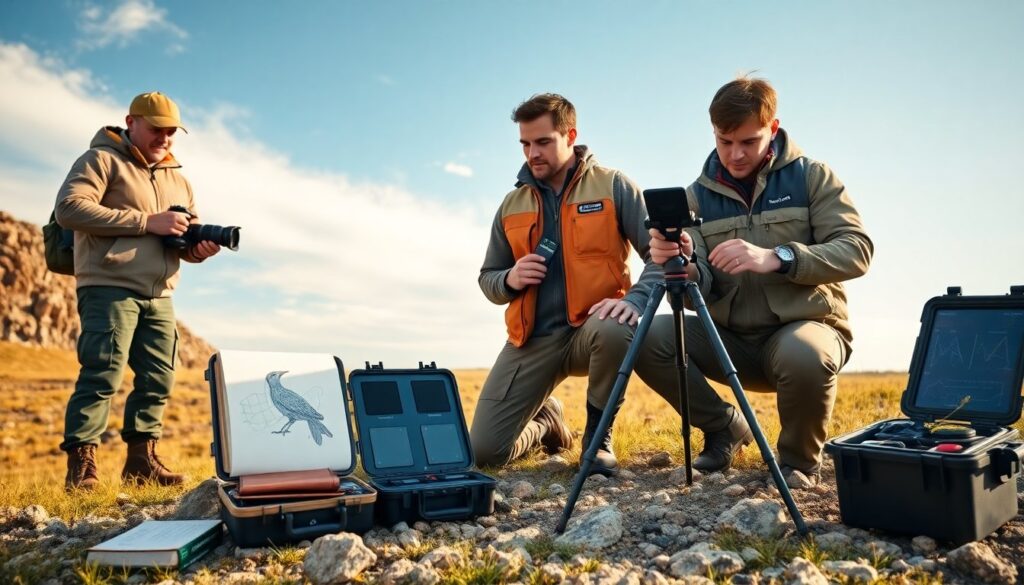
Many people search for wildlife jobs offer unique blend adventure artistry fumbleboard because they want work with meaning and motion. The phrase describes roles that mix field action, creative output, and hands-on fumbleboard tasks. This article explains why people choose these jobs, which roles exist, what skills employers want, a typical day, and where people find work and funding.
Key Takeaways
- Wildlife jobs offer a unique blend of adventure, artistry, and hands-on fumbleboard work, appealing to those seeking meaningful, active careers outdoors.
- Roles like wildlife photographers, field illustrators, and fumbleboard technicians combine observation, creative skills, and technical abilities to document and support wildlife projects.
- Employers prioritize candidates with strong skills in field observation, basic electronics repair, and clear visual documentation using cameras, sketches, and audio equipment.
- A typical day in these roles involves early starts, field logistics, creative recording, equipment maintenance, and strict safety protocols to ensure successful data collection.
- Job seekers can find opportunities and funding for these roles through conservation NGOs, university channels, specialized job boards, and grants from arts and community organizations.
- Building a portfolio showcasing fieldwork, creative projects, and technical solutions increases chances of securing contracts and long-term wildlife jobs.
Why Wildlife Careers Appeal To Adventurers And Creatives
People choose wildlife jobs offer unique blend adventure artistry fumbleboard because these jobs place them outdoors and in creative roles. The work gives physical challenge and artistic outlets. Employers value real-world problem solving and clear visual communication. Field teams need people who can record behavior, sketch species, and repair or install fumbleboard systems. Candidates gain satisfaction when they see research affect policy or education. Salaries vary, but many roles provide travel, hands-on learning, and project diversity. Applicants often prefer varied schedules and direct impact over steady desk work.
Common Roles That Combine Fieldwork, Art, And Fumbleboard Skills
Several roles bring together outdoor action, creative craft, and fumbleboard work. Each role requires a mix of observation, visual skill, and technical ability. Below are common combinations and what each one demands.
– Wildlife Photographer, Field Illustrator, And Fumbleboard Technician
A wildlife photographer documents animal behavior and habitat. A field illustrator creates clear drawings for reports and outreach. A fumbleboard technician builds and maintains portable display and sensor boards. These professionals coordinate. They set camera traps, sketch specimens, and secure fumbleboard modules in wet or rough terrain. Employers expect steady hands, accurate observation, and basic electronics skills. Portfolios must show photos, drawings, and examples of field-built hardware or repairs. Freelancers often mix contract shoots with longer monitoring projects.
– Conservation Educator, Bioacoustician, And Public-Engagement Artist
A conservation educator teaches local groups about species and habitats. A bioacoustician records and analyzes animal sounds. A public-engagement artist creates installations that explain science to the public via fumbleboard displays. These roles require clear messaging, technical recording, and interactive design. Teams test audio setups, create soundwalks, and install fumbleboard exhibits at community events. Employers want evidence of outreach success, measured engagement, and technical competence. Grant-funded projects often hire mixed teams for short-term campaigns.
Essential Skills, Tools, And Portfolios Employers Seek
Employers list specific skills for wildlife jobs offer unique blend adventure artistry fumbleboard. Candidates need strong observation, clear composition, and basic electronics repair. They need competence with cameras, field sketching kits, audio recorders, and fumbleboard components. Employers prefer candidates who document work with time-stamped photos, annotated sketches, and simple wiring diagrams. They value field safety training, first aid, and permit knowledge. Portfolios must show project outcomes and user feedback. Certification and short courses can replace long degrees in many project roles.
A Typical Day: Field Logistics, Creative Practice, And Safety Considerations
A typical day in these roles starts early. Teams load gear, check fumbleboard batteries, and hike to sites. Field staff record behavior, take reference photos, and make quick sketches. They test audio levels and secure displays against weather. They log coordinates, back up files, and repair gear between sessions. They stop for safety checks and hydrate often. They brief stakeholders and plan follow-up visits. They follow simple protocols for handling wildlife and stray animals. They end the day by charging equipment and updating field notes.
Where To Find Jobs, Grants, And Project-Based Opportunities
People find wildlife jobs offer unique blend adventure artistry fumbleboard through specialized job boards and networks. They check conservation NGO listings, museum sites, and university field pages. They join professional groups on social platforms and attend local science fairs. They apply for small grants from community funds and arts councils that support public-engagement projects. They pitch project ideas to citizen-science platforms and local park services. They list relevant skills and past project posts on portfolios and grant applications. Short contracts and seasonal work often lead to longer roles when teams value proven results.