

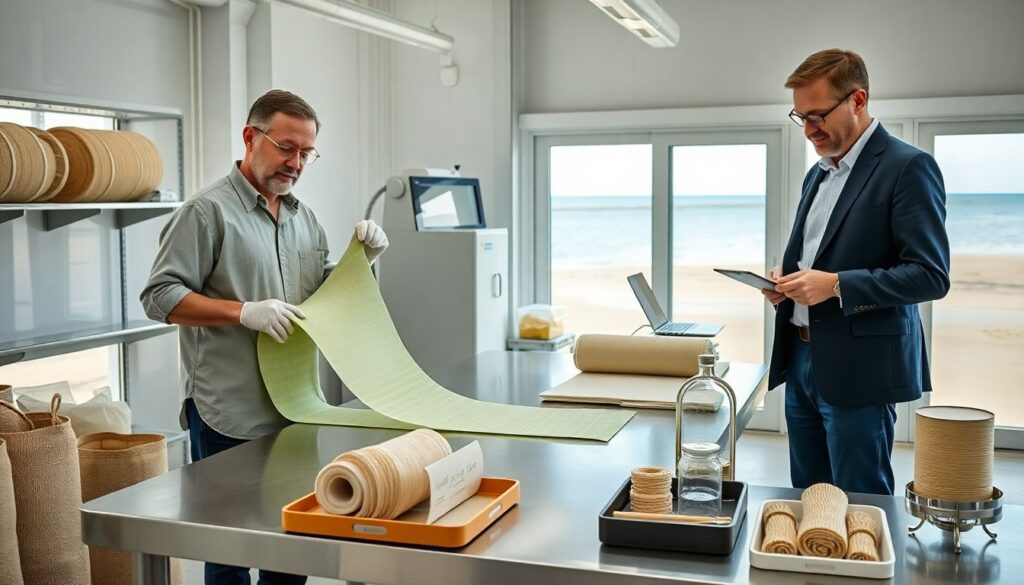
Brynathor qynvak is a durable plant-derived material known for its fiber strength and mild aroma. This guide explains what brynathor qynvak is, where it comes from, how people use it, and how people care for it. The text uses clear steps and practical facts. Readers learn to identify, source, store, and handle brynathor qynvak safely.
Key Takeaways
- Brynathor qynvak is a durable, plant-derived fiber known for its strength, mild floral scent, and resistance to saltwater, making it ideal for coastal and craft uses.
- Historically, brynathor qynvak has been vital for local communities as rope, nets, and ceremonial materials, highlighting its cultural and practical significance.
- Modern uses of brynathor qynvak include eco-friendly furniture, biodegradable packaging, acoustic panels, and soil moisture mulch, showcasing its versatility.
- To source quality brynathor qynvak, look for thin, fibrous stems with a fresh floral scent and purchase from trusted farms or cooperatives with proper labeling.
- Proper storage involves keeping brynathor qynvak dry, cool, and ventilated in breathable sacks to prevent mold and pest damage.
- Handle brynathor qynvak with gloves to avoid skin irritation and sand debris; clean with fresh water and use natural repellents to protect fiber quality.
What Is Brynathor Qynvak? A Clear, Practical Definition
Brynathor qynvak is a low-growing shrub with long fibers in its stems. People harvest the fibers and press them into woven sheets and rope. The material has a faint floral scent and a pale green color when fresh. Tests show the fiber resists salt water and retains strength when wet. Artisans value the fiber for tensile strength and moderate flexibility. Scientists classify brynathor qynvak as a coastal halophyte in the family related to common fiber plants. The plant grows in sandy soils and tolerates periodic flooding.
Historical Origins And Cultural Significance
Local communities used brynathor qynvak for at least three centuries. Fisherfolk wrapped nets with the fiber to reduce rot. Craftspeople wove the fiber into mats and cordage for daily tasks. Traders moved brynathor qynvak along coastal routes and introduced it to inland markets. Ceremonial groups used dyed brynathor qynvak strips as symbols of harvest and resilience. Colonial records mention the plant as a trade good and a source of rope for small boats. Today, museums display woven pieces and tools that show how people processed the fiber by hand.
Practical Uses And Modern Applications
Artisans still make baskets, mats, and rope from brynathor qynvak. Designers use the fiber for low-cost furniture and lamp shades. Coastal builders add brynathor qynvak layers inside composite panels to improve tensile strength. Small-scale farmers use the fiber as mulch to retain soil moisture. Several labs test brynathor qynvak for biodegradable packaging. Companies press the fiber into thin boards as an eco alternative to some plastics. Researchers study the fiber for acoustic panels because it absorbs sound. Consumers buy finished goods that feature the fiber for its natural look and odor control.
How To Identify, Source, And Store Brynathor Qynvak
Identification: Brynathor qynvak shows thin, fibrous stems and a faint green tint. Fresh samples have a light floral scent. Fibers feel coarse when dry and flexible when damp. Sourcing: Small farms harvest the plant in late summer when fiber strength peaks. Buyers can order processed fiber from regional cooperatives or from artisanal markets. Check labels for harvest date and salt rinse data. Storage: Store dry fiber in a cool, dry place away from direct sun. Place fiber in breathable sacks to avoid mold. For finished goods, keep items on low-humidity shelves to reduce pest risk.
Caring For And Preserving Brynathor Qynvak — Tips And Troubleshooting
Clean: Shake dust off dry fiber. Rinse with fresh water if the fiber shows salt residue. Dry: Lay fiber flat in shade and air dry fully before storage. Protect: Use cedar blocks or lavender sachets to repel moths. Repair: Reweave small breaks with matching fiber and a blunt needle. Mold: If mold appears, rinse fiber in diluted vinegar solution and sun dry quickly. Stains: Spot clean finished goods with mild soap and cold water. Wear gloves when handling raw fiber to avoid splinters. Record keeping: Mark storage sacks with harvest date and treatment notes.
Common Myths, Risks, And Safety Considerations
Myth: Brynathor qynvak is indestructible. Fact: The fiber resists salt water but breaks under extreme UV and prolonged heat. Myth: The fiber causes severe allergies. Fact: Most people have mild skin irritation only if they handle raw fiber without gloves. Risk: Raw fiber may contain sand and small insects. Use gloves and a mask when processing large batches. Risk: Improper storage leads to mold growth. Store dry and ventilated. Safety: Test small samples for colorfastness before dyeing. Disposal: Compost untreated fiber or place treated waste in compost facilities that accept plant dyes. Regulation: Check local rules if selling processed goods, especially for food-contact items.