

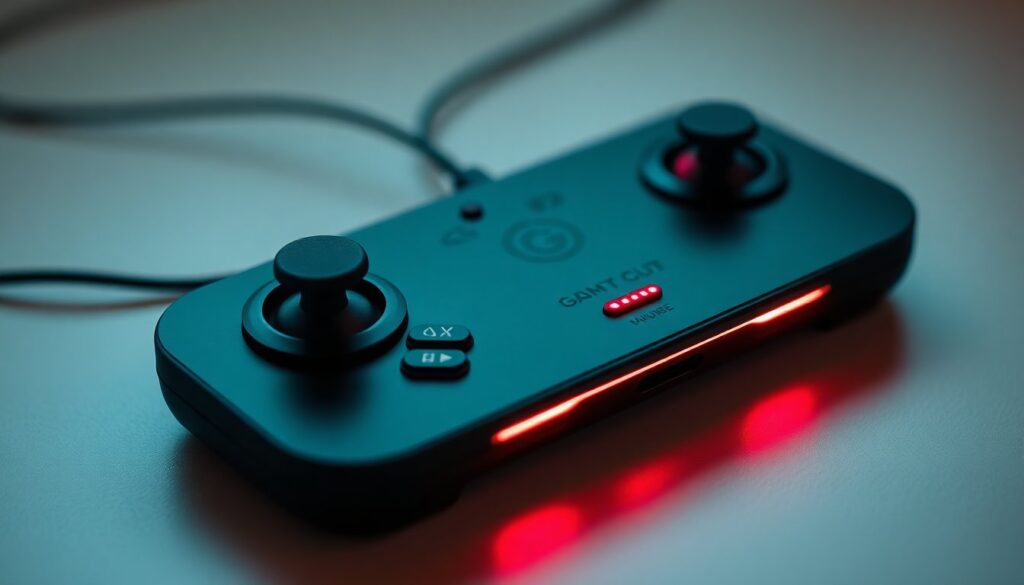
Mobile and gaming fumbleboard appears as a growing tool for player testing and bug triage. The term refers to a lightweight in-game panel that logs errors and records input. Teams use the device to reproduce faults and collect telemetry. This article explains what mobile and gaming fumbleboard is, how teams design it, and how teams avoid common mistakes.
Key Takeaways
- A mobile and gaming fumbleboard is an in-game panel capturing errors, inputs, and session data to speed up bug reproduction and fixes.
- Design fumbleboards with minimal, anonymized data sets and modular, performance-friendly components to ensure privacy and low impact on gameplay.
- Use backend APIs and dashboards to efficiently store, index, and analyze fumbleboard logs for identifying trends and recurring issues.
- Implement staged rollouts starting with internal QA, applying feature flags and rate limits to control data volume and maintain reliability.
- Avoid common mistakes like logging excessive data, blocking the main thread, leaking personal identifiers, and insufficient device testing to maintain fumbleboard effectiveness.
- Regularly review and refine collected data, prioritize frequent bugs, and maintain comprehensive documentation and training for faster issue resolution and improved player satisfaction.
What A Mobile Gaming Fumbleboard Is And Why It Matters
A mobile and gaming fumbleboard is a small on-screen interface that captures errors, inputs, and session context. Developers place the fumbleboard inside a game or app. Players tap a button to record a fault or to flag odd behavior. The fumbleboard logs device state, control inputs, frame time, and recent network calls. It captures a short replay or input trace when storage allows. Teams send these logs to a backend for analysis.
Studios use the mobile and gaming fumbleboard to reduce time to reproduce bugs. A tester can attach a trace to a bug report in seconds. QA teams view precise input sequences and device readings. Engineers review recorded frames and isolate the cause. The tool helps them fix issues faster.
Designers also use the mobile and gaming fumbleboard to measure usability issues. They collect where players hesitate, which buttons they miss, and which paths they take. Product managers use that data to prioritize fixes and to adjust tutorials. The artifact creates a direct line from player action to engineering insight.
Studios that ignore a mobile and gaming fumbleboard risk longer debug cycles. Teams then rely on vague reports and guesswork. That slows updates and degrades player experience. A simple fumbleboard reduces this waste by delivering reproducible data.
How To Design And Deploy A Fumbleboard For Mobile Games
Teams should start small when they add a mobile and gaming fumbleboard. They define the minimum data set first. That set includes timestamp, device model, OS version, active scene, recent input events, and a short screenshot or frame capture. They add a compact trace for recent inputs and physics updates. They compress logs before upload to save bandwidth.
Developers build the fumbleboard as a modular component. They make it optional at runtime and toggle it with a debug flag. They secure it behind feature gates to avoid exposing internal data to players. They limit data retention and honor privacy rules. The team strips personal identifiers and anonymizes user IDs before sending logs.
Teams tune performance before wide deployment. They measure CPU and memory impact with the fumbleboard enabled. They move heavy operations to background threads. They sample frame captures only under explicit user request. They carry out rate limits on uploads and backoff on poor networks.
The backend must accept small, structured payloads. Engineers design an API that stores traces and associates them with build versions. They index logs by scene and error code. They add quick filters to find high-impact faults. They build a dashboard that highlights trends and recurring input patterns.
Testing and rollout follow a staged plan. Teams release the fumbleboard to internal QA first. They watch for performance regressions and false positives. They then push to a small beta group and monitor uploads. They use feature flags to roll the fumbleboard to more users as confidence grows.
Teams maintain clear documentation. They explain how to trigger a capture, how long traces last, and how to view logs. They train support staff to request fumbleboard traces when users report issues. That practice speeds up ticket resolution and improves player satisfaction.
Common Pitfalls And Troubleshooting Tips For Fumbleboards
Teams often log too much data. They then inflate storage and slow uploads. The team should keep payloads under a few hundred kilobytes. They should send only the latest few seconds of input and a single compressed image.
Teams sometimes leak identifiers. A fumbleboard must redact names, emails, and persistent identifiers. The team should hash IDs and document the transformation. They should comply with privacy rules in each market.
A common mistake is blocking the main thread. That error makes the game stutter. Engineers should move file writes and compression off the main thread. They should use async I/O and test on low-end devices.
Teams may allow unlimited captures. That choice creates noise and costs. They should add rate limits per user and per session. They should add an option for players to opt out of data collection.
Some teams forget to test on many device variants. The fumbleboard must work across OS versions and control schemes. Test on old GPUs, weak CPUs, and both landscape and portrait modes. Teams should simulate low memory and spot upload failures.
Troubleshooting follows structured steps. First, verify the fumbleboard toggle and debug flags. Then, reproduce a capture in a controlled build and confirm that the payload reaches the server. Next, inspect the stored trace for truncated fields or missing frames. If the image is missing, test compression settings and disk write permissions. If logs never arrive, check network rules and certificate pinning. If the payload arrives but is unreadable, verify versioning and schema migrations.
Teams should log fumbleboard errors separately. They should add health metrics for capture rate, upload success, average payload size, and processing time. They should alert when upload success drops below a threshold. That practice prevents long outages and keeps the fumbleboard reliable.
Finally, teams should review data regularly. They should prioritize frequent reproducible faults and common input patterns. They should remove or refine captures that never help. That step keeps the mobile and gaming fumbleboard lean and useful.